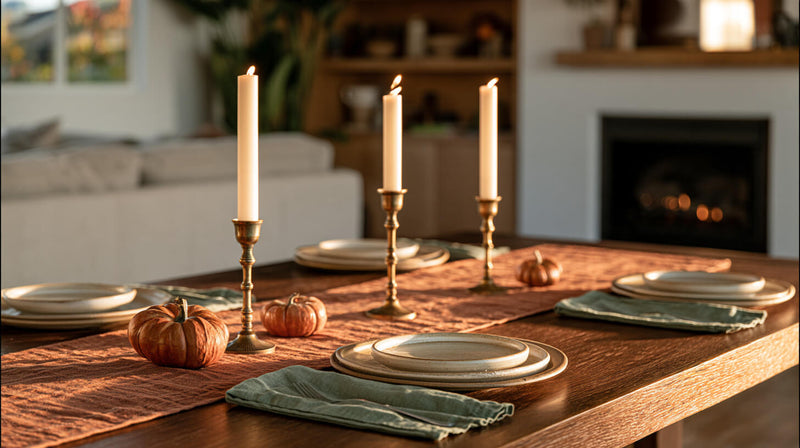
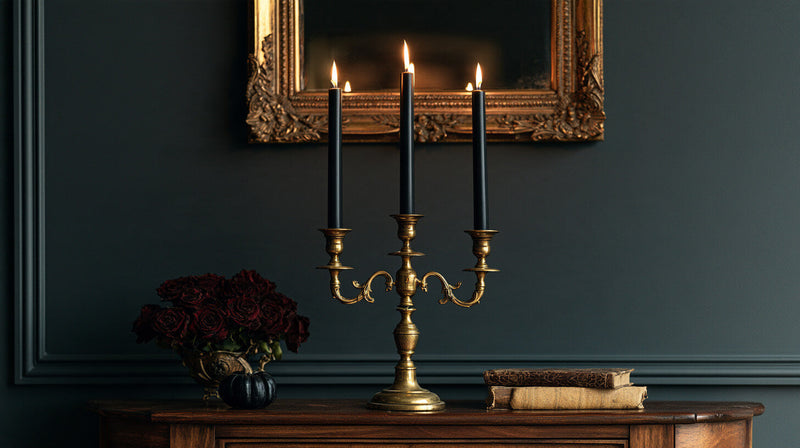
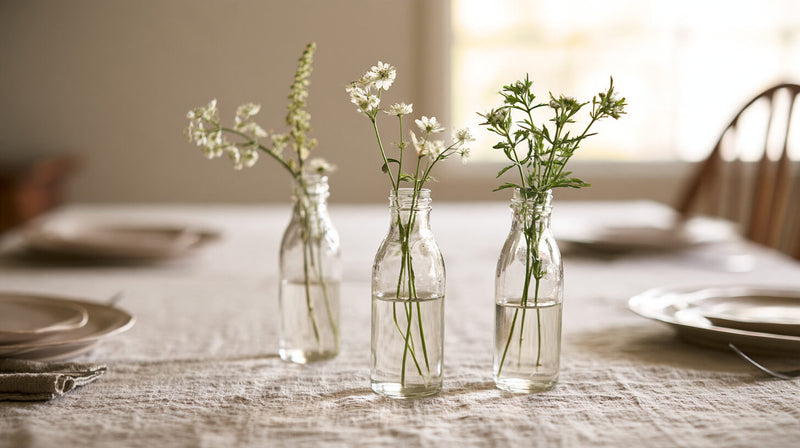
Restaurant candles do more than add light to the table—they help shape the mood of the entire dining experience. The best options provide a warm, comfortable glow without taking up too much space, interfering with food presentation, or requiring constant replacement during service. From compact votive candles and tealights to long-burning fuel cells and reusable flameless candles, different styles suit different table sizes, service lengths, and venue requirements. This guide covers the best candles for restaurants and dining tables, including what to consider when choosing candle type, burn time, quantity, and placement.
What Makes a Good Restaurant Table Candle?
A good restaurant table candle should provide enough light to create atmosphere without becoming distracting or difficult to maintain during service. The right choice depends on how long the restaurant is open, the size of each table, and whether open flames are permitted.
Look for these practical qualities:
-
Reliable burn time:Choose candles that can last through most or all of a dinner service without frequent replacement.
-
Low-profile design: Smaller candles help preserve sightlines between guests and leave more room for plates, glassware, and food.
-
Steady flame:A consistent burn creates a more polished table presentation and reduces uneven melting.
-
Minimal scent:Unscented candles are generally better for dining areas because they do not compete with the aroma of food and drinks.
-
Easy maintenance: Options that require less trimming, wax cleanup, or replacement can simplify service for restaurant staff.
-
Safe placement:Candles should sit securely in appropriate holders and remain clear of menus, napkins, greenery, and other flammable décor.
For restaurants that need several hours of consistent table lighting, liquid paraffin fuel cells can be a practical alternative to traditional wax candles because they are designed for predictable, long-lasting use with minimal cleanup.
Best Types of Candles for Restaurants
Different restaurant settings call for different candle styles. Small wax candles work well when the goal is a traditional flame and compact table display, while longer-burning or flameless options can reduce maintenance during extended service hours. The four options below cover the most practical choices for restaurant and hospitality tables.


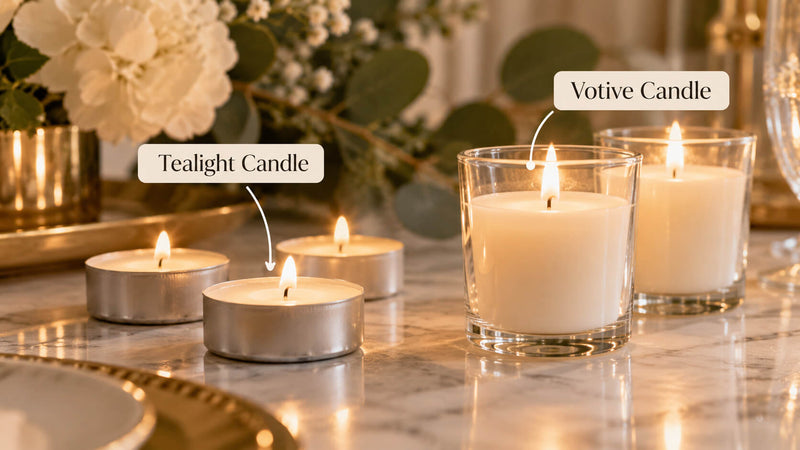
Votive Candles
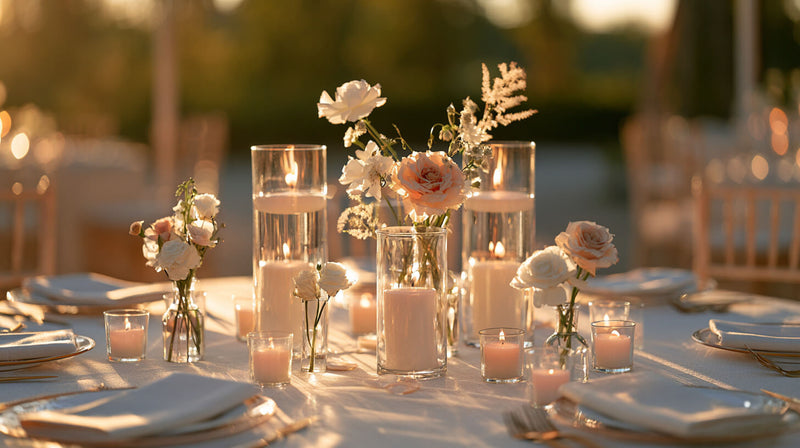
Compact but capable of producing a noticeable glow, votive candles work well on restaurant tables where space is limited. They are designed to burn inside a close-fitting holder that contains the melted wax, making them suitable for intimate dining tables, bars, reception areas, and grouped displays where several small points of light are preferred.
Tealight Candles
Smaller tealight candles are useful for restaurants that want subtle lighting without taking up much tabletop space. They can be placed individually in small holders or grouped across larger tables, making them particularly versatile for cafés, casual dining, private events, and decorative table settings.
Liquid Paraffin Fuel Cells
For longer dinner services, liquid paraffin fuel cells offer predictable burn times and require little wax cleanup. Their compact size makes them easy to incorporate into table lamps or suitable holders, while the controlled fuel supply can reduce the need to replace candles repeatedly during a busy service period.
Flameless Candles
Battery-powered flameless candles provide a reusable option for restaurants that restrict open flames or want simpler table maintenance. They can recreate the warm appearance of candlelight without melted wax or an exposed flame, making them useful near fabrics, greenery, outdoor seating areas, or tables where additional safety considerations apply.
How Many Candles Should You Use Per Restaurant Table?
Most restaurant tables only need one to three candles to create a comfortable glow without taking up valuable dining space. The right number depends on table size, candle type, and the overall level of lighting in the room.
-
Two-person tables:One votive, tealight, or small flameless candle is usually enough.
-
Four-person tables:One to two candles can provide balanced light without crowding plates and glassware.
-
Larger dining tables:Two to three candles spaced evenly can create a more consistent glow across the table.
-
Communal or banquet tables: Use several small candles along the length of the table rather than one large centerpiece.
Keep each candle low enough that guests can see one another comfortably, and use stable candle holders that suit the candle size. In restaurants, a few well-placed candles usually create a better dining atmosphere than filling the table with too many points of light.
Choose Candles Based on Burn Time and Table Size
Beyond appearance, the right restaurant candle should fit naturally into the way the dining area operates. Consider how often staff can realistically replace or relight candles during service, whether the same setup will be used across several table sizes, and how much tabletop space needs to remain free for food, drinks, and menus.

Consistency also matters. Using similar candle heights and light levels across the dining room creates a more intentional atmosphere, while selecting longer-lasting options for busier periods can reduce unnecessary interruptions. Before ordering in bulk, test the candle with the intended holder and table setup to make sure the flame height, brightness, and overall scale work comfortably in the space.
Create the Right Dining Ambiance With Candlelight
The best restaurant candles should complement the dining experience without competing for space or attention. Choose compact candles for smaller tables, longer-burning options for extended service, and flameless alternatives where open flames are restricted. Just as important, keep the lighting consistent across the room so every table feels intentional rather than over- or under-lit.
For a polished setup, match the candle type to the table size, service length, and atmosphere you want to create. Explore restaurant-ready candles and lighting to find options suited to intimate dining, busy service periods, private events, and hospitality settings.